Originally envisioned as a mixed-use urban village, Midtown Miami has evolved into a thriving residential and lifestyle destination defined by its pedestrian-friendly layout, open-air retail, and contemporary architecture. Unlike traditional suburban developments, Midtown was designed around density, convenience, and connectivity, allowing residents to live, work, dine, and shop within the same walkable environment. This design philosophy has made it one of the most attractive neighborhoods for young professionals, investors, and international buyers seeking a modern urban lifestyle.
The real estate market in Midtown Miami is characterized by a strong mix of luxury condominiums, mid-rise residential towers, and new construction developments. Many of these buildings offer resort-style amenities such as rooftop pools, state-of-the-art fitness centers, co-working spaces, concierge services, and ground-floor retail. This combination of residential comfort and urban convenience has positioned Midtown as a highly competitive submarket within greater Miami real estate.
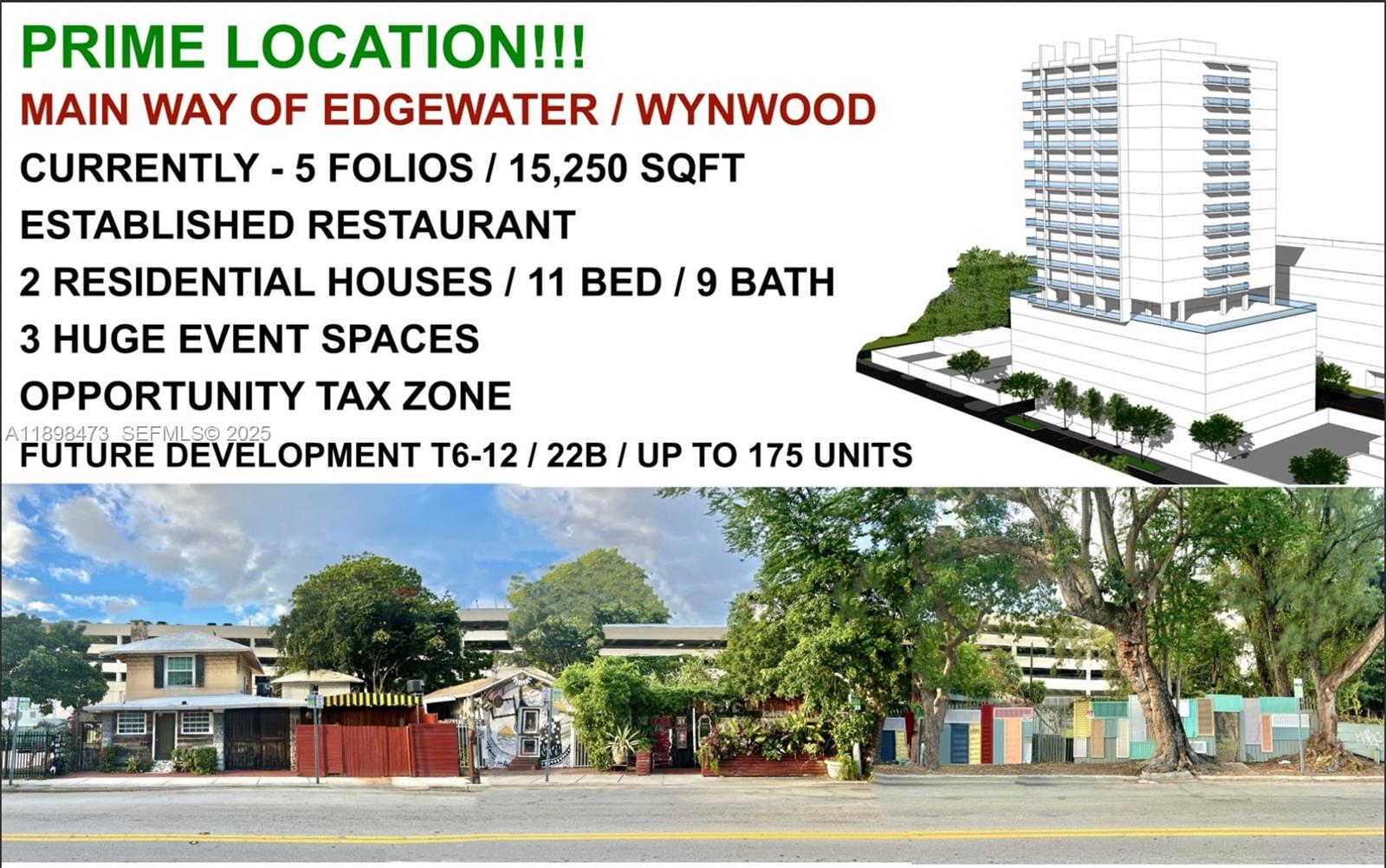
One of the key drivers of Midtown’s growth is its proximity to Wynwood, Miami’s world-renowned arts district. Wynwood’s transformation into a global cultural destination has had a direct impact on Midtown’s demand and property values. Residents benefit from immediate access to galleries, street art, boutique restaurants, and nightlife, while still enjoying a more residential and structured living environment. This balance between energy and livability is one of Midtown’s strongest selling points.
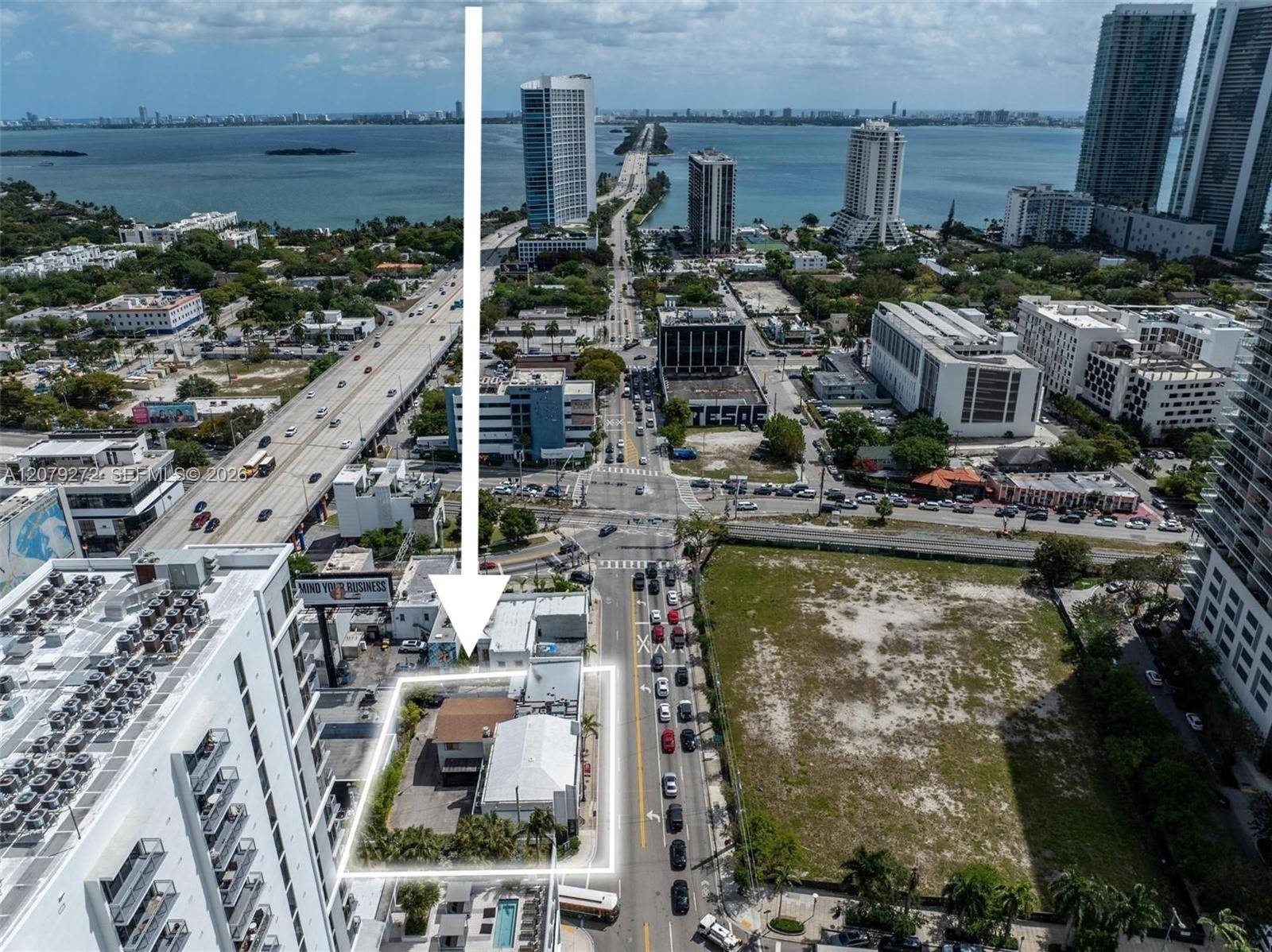
Edgewater and Downtown Miami also play a major role in Midtown’s real estate appeal. Edgewater’s waterfront towers and Biscayne Bay views, combined with Downtown’s financial district and employment base, create a powerful triangle of demand. Midtown sits directly between these areas, making it a strategic location for both end-users and investors seeking long-term appreciation and rental income potential.
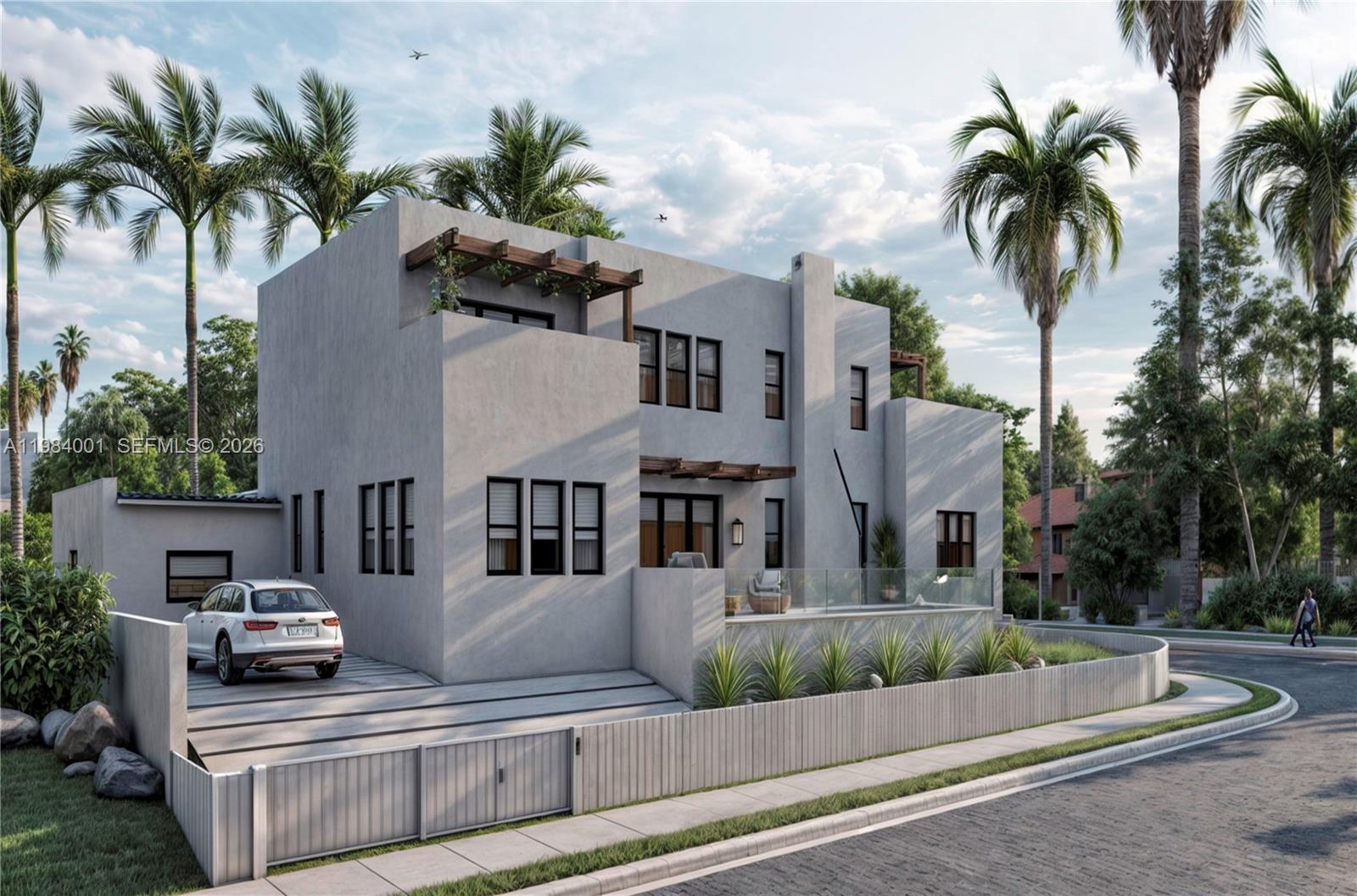
New construction in Midtown Miami continues to expand, with developers focusing on modern design, sustainability, and lifestyle-oriented amenities. Projects often feature open layouts, floor-to-ceiling glass, smart-home technology, and energy-efficient systems. Many developments also integrate retail and dining at the ground level, further enhancing the neighborhood’s walkability and urban experience.
From an investment perspective, Midtown Miami offers strong fundamentals driven by population growth, limited land availability, and increasing demand for centrally located housing. The neighborhood attracts a diverse mix of residents, including young professionals, creatives, entrepreneurs, and international buyers. This diversity supports both rental demand and long-term property appreciation, making Midtown an appealing option for investors seeking stability and growth in the Miami market.
Another major advantage of Midtown is its accessibility. Residents benefit from quick access to major highways, Miami International Airport, Brickell, and Miami Beach. This connectivity enhances the neighborhood’s appeal for both full-time residents and seasonal buyers who value convenience and mobility. Additionally, the area continues to benefit from infrastructure improvements and urban planning initiatives that support its long-term expansion.
As Midtown Miami continues to evolve, the neighborhood is expected to see continued growth in luxury development, boutique residential projects, and mixed-use communities. The demand for walkable, lifestyle-driven environments is increasing nationwide, and Midtown is positioned at the forefront of this trend within the Miami market.
In conclusion, Midtown Miami represents a unique fusion of modern living, cultural access, and real estate opportunity. Its strategic location, strong rental demand, and ongoing development make it one of the most desirable neighborhoods in Miami for both homeowners and investors. As the area continues to mature, Midtown is solidifying its position as a key player in the future of Miami real estate.